Why the Forming Method Matters
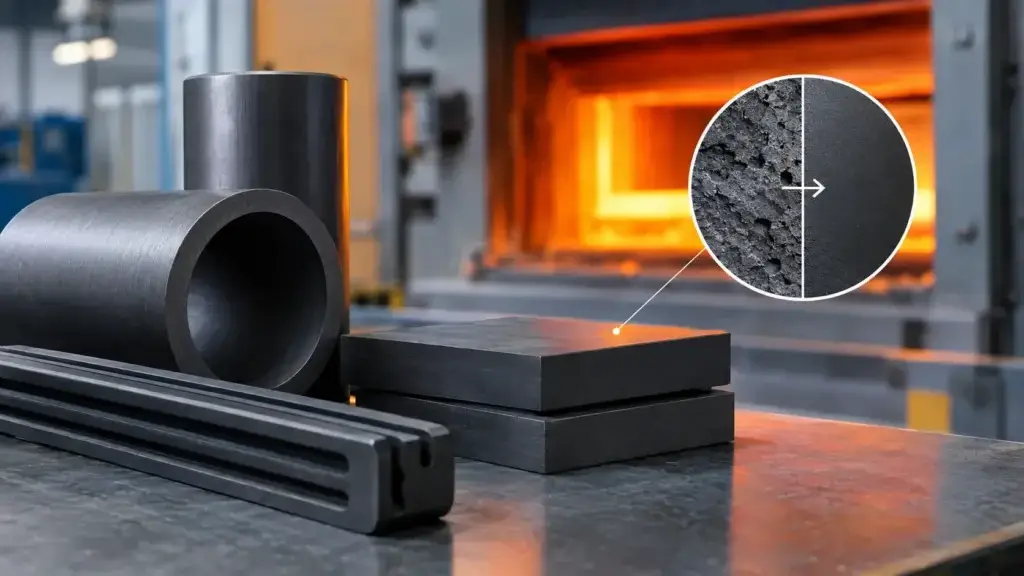
When comparing isostatic graphite vs. extruded graphite, the differences begin with how each material is formed. The forming method influences grain structure, isotropy, available sizes, and other properties engineers consider when specifying graphite for an industrial application. Both materials begin with carbon-based raw materials that are formed, baked, and graphitized. Isostatic pressing applies pressure uniformly in all directions around the material, creating a fine-grain structure product with a high degree of isotropy. Extrusion forces the prepared material through a die, creating a directional structure with properties that vary based on orientation. Understanding these structural differences provides a starting point for determining which form fits the application.
Isostatic vs. Extruded Graphite: Property Comparison
Grain structure, density, flexural strength, electrical resistivity, isotropy, available sizes, and cost can all influence material selection. Isostatic (aka iso-molded) graphite typically has a finer, more uniform grain structure and a high degree of isotropy, meaning its properties are more consistent across different directions. These characteristics make it well suited to applications where dimensional stability, detailed machining, and material uniformity are priorities. Extruded graphite develops a directional structure during forming, so properties such as strength and electrical resistivity vary with orientation. Extrusion is also well suited to producing longer sections and consistent cross-sectional profiles, making it practical for many larger industrial applications. Density, flexural strength, electrical resistivity, available sizes, and cost vary by individual grade. Engineers should compare grade-specific technical data against the operating conditions and performance requirements of the application before specifying a material.
| Property | Isostatic Graphite | Extruded Graphite |
|---|---|---|
| Grain structure | Typically finer and more uniform | Directional structure |
| Density | Varies by grade | Varies by grade |
| Flexural strength | Varies by grade and is generally more consistent by direction | Varies by grade and orientation |
| Electrical resistivity | Generally more consistent across directions | Varies with orientation |
| Isotropy | High degree of isotropy | Directional properties |
| Available sizes | Available in various sizes depending on grade and manufacturer | Well suited to longer sections and consistent cross-sectional profiles |
| Cost | Varies by grade, size, and application | Varies by grade, size, and application |
Applications for Iso-molded and Extruded Graphite
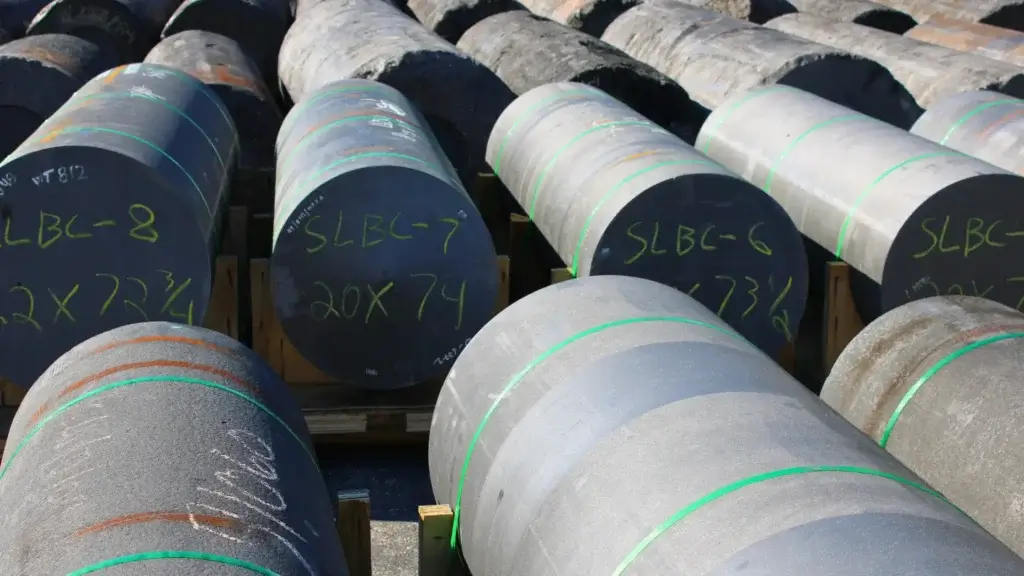
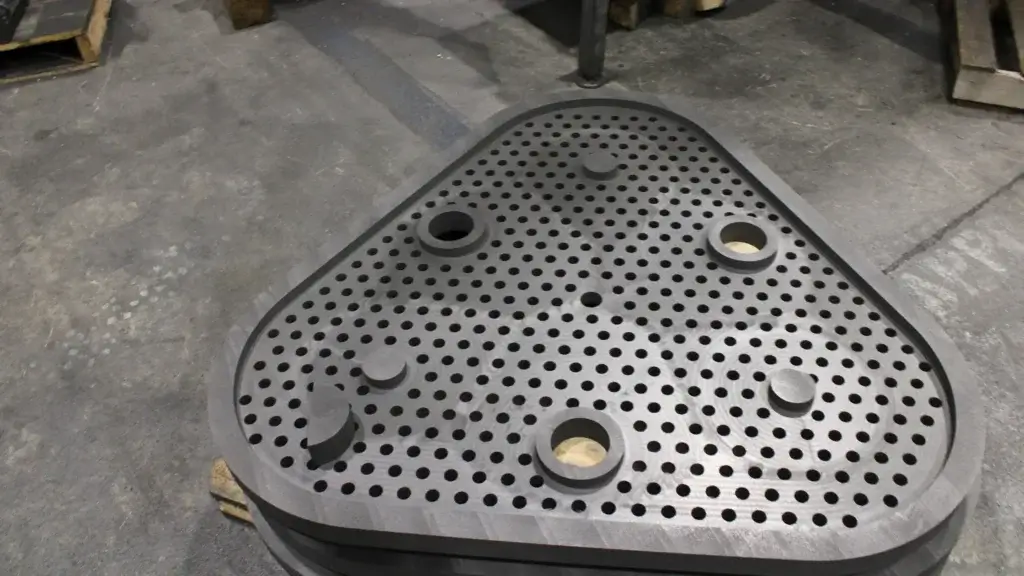
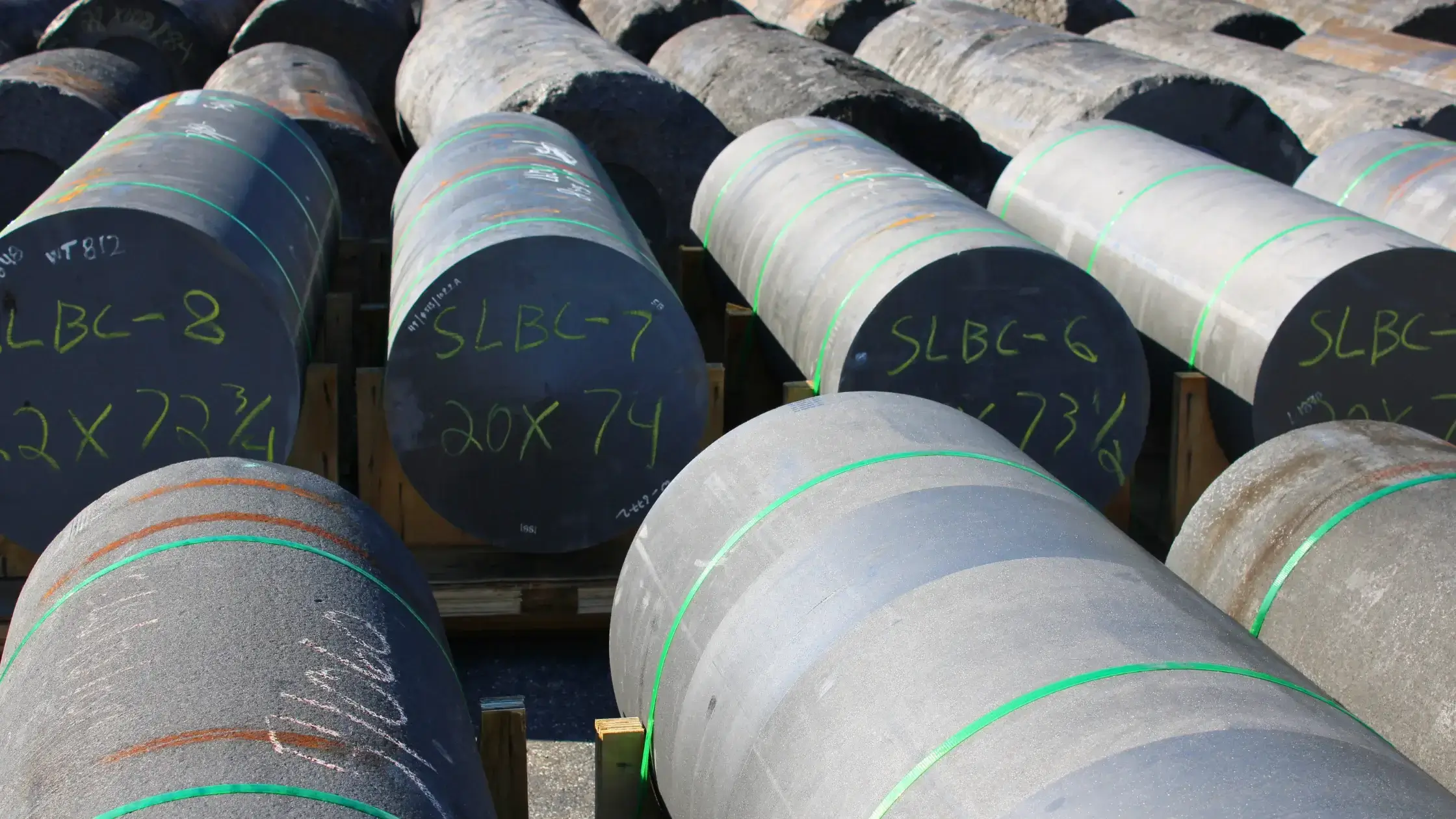
Fine-grain iso-molded graphite is commonly considered for EDM electrodes, semiconductor manufacturing, and other precision applications where uniformity and dimensional stability, close tolerances and smooth surface finishes are important. Extruded graphite is often selected for larger cross sections or longer lengths when its directional properties align with the application. Graphite electrodes used in electric arc furnaces are one example. These materials support applications nationwide, including aerospace and semiconductor manufacturing in the Midwest, defense in the Northeast, and energy operations in Texas.
Where Molded Graphite Fits
Mechanically molded graphite provides another option between these material forms, with its own combination of properties, available sizes, and application considerations. Ei6 offers several grades and sizes of extruded, molded, and iso-molded graphite, giving engineers multiple forms to evaluate against their process requirements.
Selecting Graphite for Your Process
Material selection should take into account necessary dimensions, tolerances, operating temperature, atmosphere, mechanical loading, electrical requirements, and service cycle. Engineers can then compare grain structure, density, strength, resistivity, isotropy, and available sizes. Considering these characteristics together provides a stronger basis for selection than relying on a single property.
Explore Graphite Materials with Ei6
With more than 50 years of graphite experience, Ei6 supplies extruded, molded, and iso-molded graphite with inventory across the Americas. Ei6 supports applications across EDM, high-temperature processing, aerospace, semiconductor, defense, and energy markets. Explore Ei6 graphite specialties and talk with our team about the material requirements for your application.