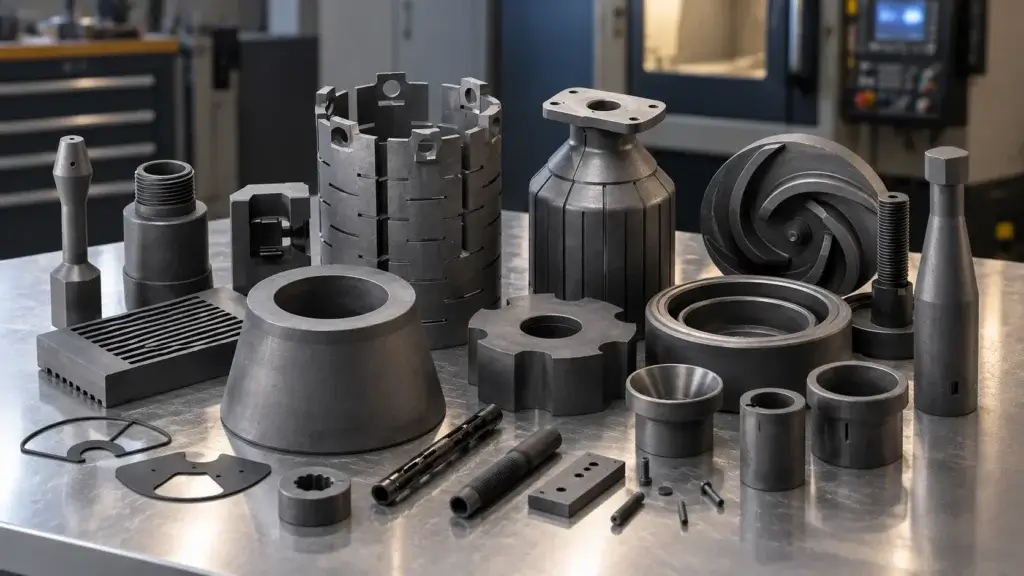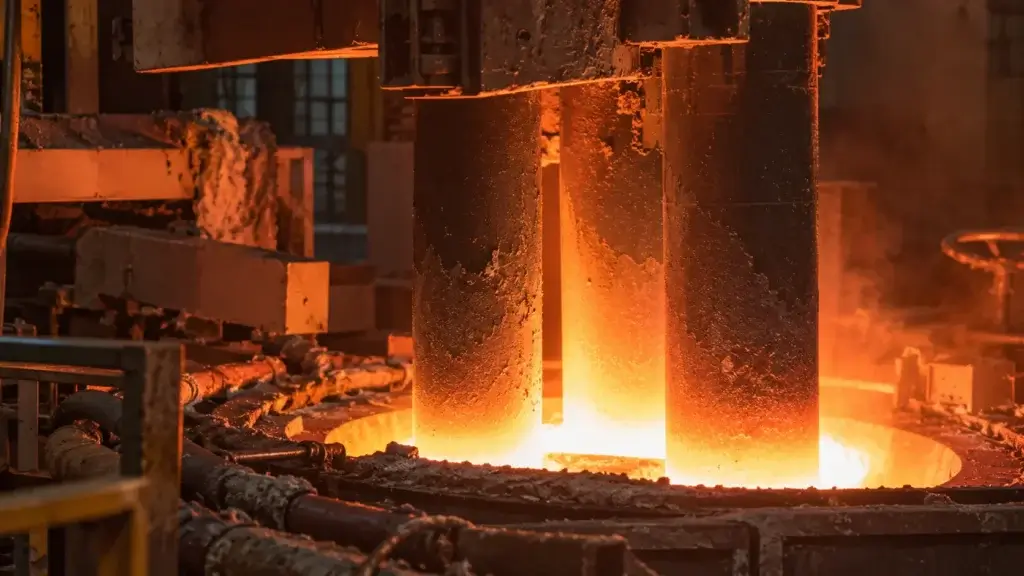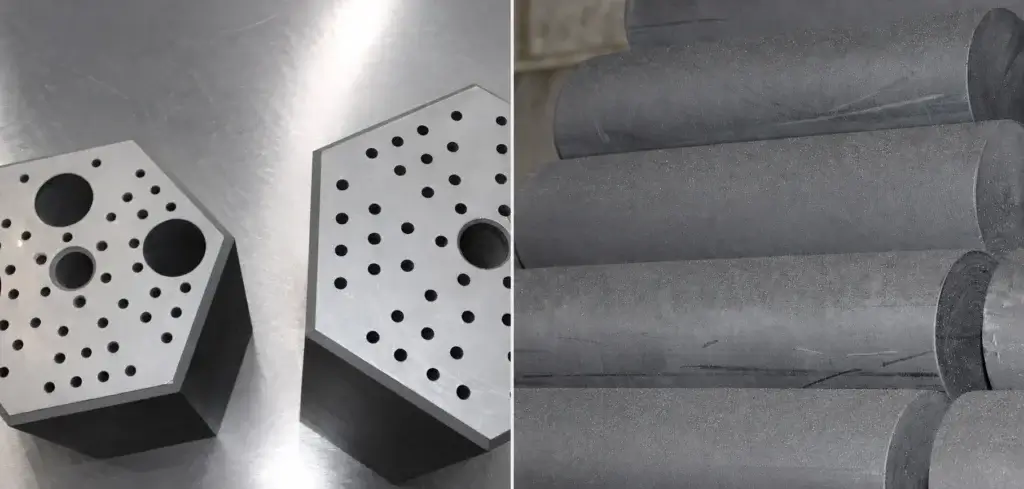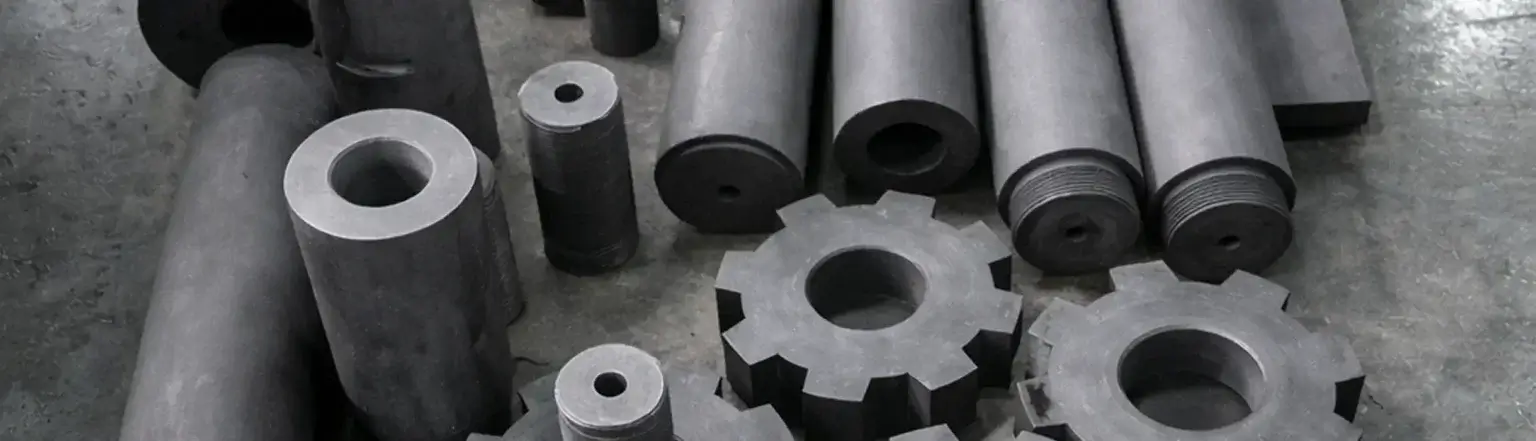
Many high temperature aggressive atmosphere processes call for graphite materials, molds, crucibles, heating elements, arc rods, and furnace parts to name a few. Extending graphite life is often more achievable than operators assume, and solutions like Ei6’s LoOx™️ graphite oxidation treatment can help without an operational overhaul. A key question to consider is whether your specific operation is consuming more than it should. While graphite part wear may be an expected part of your process, excessive loss can signal opportunity to improve process performance, reduce material and operating costs, and increase productivity. Frequent part replacements increase material costs but also create unnecessary downtime impacting production efficiency. Many graphite users assume part life is determined solely by the quality of the graphite. In reality, it can be the result of several other factors, including operating practices, process conditions, handling procedures, and optimum material selection. Understanding how these variables interact is the first step toward reducing unnecessary graphite loss.
What Causes Excessive Graphite Consumption?
As expected, graphite is often exposed to extreme operating conditions. Over time, inherent high temperatures, electrical loads, and mechanical stress naturally consume graphite. If those situations are not well managed, part wear accelerates.
Oxidation is one of the most common contributors to graphite loss. As graphite reacts with oxygen at elevated temperatures, material is gradually consumed from the part surface. Operation practices that limit unnecessary oxygen exposure can reduce this process and extend life. Ei6’s LoOx™️ treatment, covered in more detail below, is one option worth investigating.
LoOx™️ Graphite Oxidation Treatment Extends Part Life
For operations dealing with oxidation specifically, Ei6’s proprietary LoOx™️ treatment is worth a closer look. Applied after machining, it helps reduce oxidation on exposed graphite surfaces, supporting cleaner surfaces and longer intervals between replacements. LoOx™️ is available from Ei6’s U.S. and Brazilian facilities and can be scheduled directly into your machining workflow, with masking applied to protect any faces that need to stay untreated.
Mechanical damage is another possible cause of premature consumption. Improper storage, handling, or installation can introduce small cracks or surface defects that are not immediately visible but become failure points once the part is placed into service. Inconsistent operation practices can increase thermal stresses in operation and should be avoided.
Most operations experiencing undesired consumption are not dealing with a single issue. As pointed out above, there are several operating variables that collectively reduce graphite part life.
Practical Ways to Reduce Graphite Part Consumption
Reducing graphite part consumption can begin well before the part even enters the intended process.
Proper storage and handling can protect graphite from damage that can compromise performance during operation. Careful inspection of desired machined part dimensions and surface finish, as well as correct assembly practices, can help maintain structural integrity and reliable performance. During the intended process, consistent operating practices play an equally important role. Stable conditions, optimized procedure parameters, and reduced oxygen exposure all help minimize thermal stress and unnecessary oxidation, leading to optimum processing and extended graphite life.
While operating practices play a significant influence on part life, graphite manufactured with consistent density, strength, and oxidation resistance provides a stronger foundation for long-term performance. The best results come from pairing high-quality graphite with well-controlled processes.
Material Quality Matters
Not all graphites perform the same under operating conditions. Manufacturing consistency influences how a particular grade responds to thermal cycling, electrical loading, and mechanical stress throughout its service life. Variations in density, grain structure, or material quality can affect oxidation resistance, wear characteristics, and overall reliability. For operations focused on reducing total production costs, the goal is not simply purchasing graphite. It is selecting a graphite solution that supports longer service life, predictable performance, and fewer production interruptions.
Partner with Ei6 for Selecting the Optimum Grade
Improving graphite performance requires more than changing suppliers. It requires understanding how material quality and your particular operation work together to influence results.
At Ei6, we consult with various manufacturers to evaluate specific operating conditions, production goals, and performance expectations before recommending a graphite solution. Backed by more than 50 years of graphite expertise, precision manufacturing, customer service, and a commitment to quality, we help customers identify opportunities to improve graphite part life, increase process efficiency, and reduce overall operating costs. Whether you’re qualifying a new supplier or looking to optimize your specific operation, Ei6 delivers graphite solutions engineered for reliable performance where it matters most.
Ready to see where your operation is losing graphite unnecessarily? Contact Ei6’s team today to talk through your process and explore whether LoOx™️ treatment or a different grade could extend your part life.